
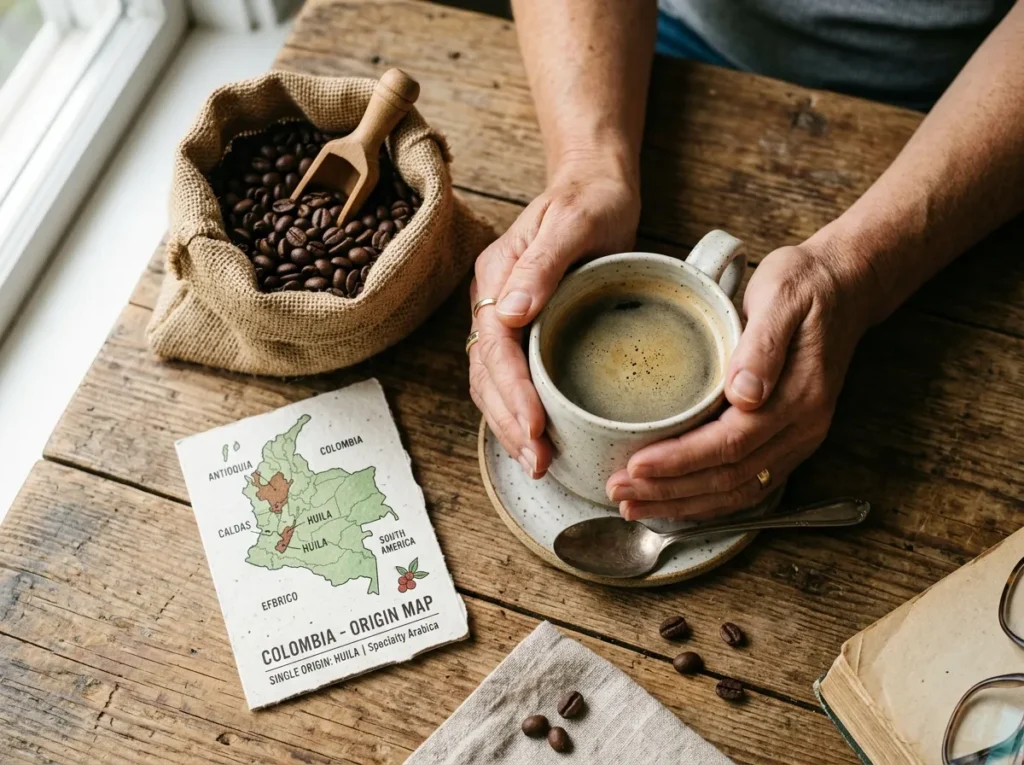
You reach for your morning cup before the kids are up, before the noise starts, before the day pulls you in twelve directions. That cup matters. But when was the last time you actually thought about what’s in it?
If your coffee answer has always been “whatever’s on sale” or “the one in the red bag,” you’re not alone — and there’s zero judgment here. But there’s a quiet revolution happening in the coffee world, and it’s one that moms who love their brew are going to want to know about. It’s called single-origin coffee, and it just might change the way you think about your daily ritual.
No, this isn’t about becoming a coffee snob. It’s about knowing more, spending wisely, and honestly — getting a better, more satisfying cup. Let’s get into it.
What Makes Single-Origin Coffee Different?
You’ve probably seen bags at the grocery store or coffee shop with names like “Ethiopian Yirgacheffe” or “Colombian Huila.” That’s single-origin coffee. But what does it actually mean?
Single-origin coffee is exactly what it sounds like: coffee sourced from one specific geographic location — whether that’s an entire country, a particular region, or even a single farm or cooperative. Unlike the generic blended coffee that fills most supermarket shelves (which combines beans from multiple countries to hit a consistent, cost-effective taste), single-origin coffee tells you exactly where your beans came from.
Think of it like the difference between a generic store-brand pasta sauce and a small-batch sauce made from tomatoes grown on one farm in Tuscany. Both are tomato sauce. But only one has a story.
According to the Single-Origin Coffee overview on Wikipedia, these coffees offer unique characteristics and specific taste profiles that blended coffees simply can’t replicate, because the flavor is a direct expression of where — and how — the beans were grown.
What Is Specialty Coffee?
Single-origin coffee often overlaps with a related term: specialty coffee. The Specialty Coffee Association (SCA) is the global authority on coffee standards, and they define specialty coffee as beans that score 80 points or higher on a 100-point grading scale. Those points are earned based on aroma, flavor complexity, acidity, body, and the absence of defects.
In plain terms: specialty coffee is the good stuff. It’s carefully grown, thoughtfully harvested, and rigorously tested before it ever reaches your kitchen.
Single-Origin vs. Blended Coffee
Blended coffee isn’t bad — it’s actually designed to be consistent and crowd-pleasing. Roasters blend beans from different regions to balance out acidity, body, and sweetness so that every bag tastes pretty much the same, year after year. That’s actually a skill.
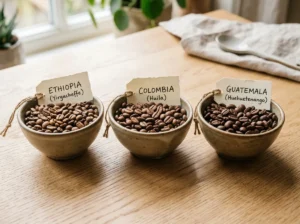
But single-origin coffee does something blends can’t: it lets you taste the place. Soil composition, altitude, rainfall, and even the processing method used by the farmer all show up in your cup. Ethiopian coffee often has bright, fruity, and floral notes. Colombian coffees tend to be smooth with chocolate and caramel undertones. Guatemalan beans often carry a rich, nutty depth.
That variety is what makes single-origin coffee so much fun to explore — especially for moms who’ve been drinking the same cup for years.
Why Moms Are Falling in Love with Single-Origin Coffee
Okay, but why does this matter to you, specifically — a busy mom who barely has time to drink her coffee before it goes cold?
Here’s why this trend is resonating so deeply with moms right now.
It Turns Coffee into a Moment, Not Just a Habit
We talk a lot about creating intentional morning rituals here — and for good reason. When your cup of coffee is interesting, you actually slow down to enjoy it. Knowing that your Ethiopian beans have notes of jasmine and blueberry makes you pay attention to the taste instead of just gulping it down on autopilot.
We’ve written about why a quiet coffee moment can anchor your entire morning. Single-origin coffee makes that moment something worth savoring.
You Know Exactly What You’re Drinking
Moms are increasingly mindful about where food and ingredients come from — and coffee is no exception. With single-origin, you can often trace your beans back to a specific farm or cooperative. That kind of transparency is hard to find in a standard grocery store blend.
It’s the same instinct that drives us to buy local produce or read ingredient labels — just applied to the thing you drink every single morning.
It Pairs Beautifully with Sustainability Values
Many single-origin coffees are produced by small farms that prioritize ethical labor practices and environmental care. This connects directly to something we’ve explored before — making eco-friendly coffee choices as a mom. When you buy from a roaster who partners directly with farmers and pays fair prices, your morning cup becomes a small act of conscious consumption.
It’s a Simple Upgrade with Real Impact
You don’t need a $400 espresso machine to enjoy single-origin coffee. You don’t need a barista certification. You just need a bag of good beans and a few minutes. The upgrade in your cup is immediate and noticeable — and once you taste the difference, going back to generic coffee feels like a step backward.
How to Brew Single-Origin Coffee at Home
Here’s the best news: single-origin coffee actually shines brightest with simple, low-tech brewing methods. The goal is to taste the bean, not mask it — which means methods that give you control over the extraction are your best friends.
Pour-Over
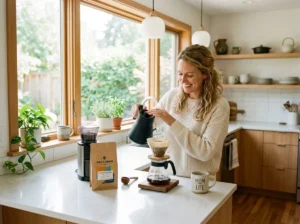
This is the gold standard for single-origin coffee. A pour-over setup (like a Hario V60 or a Chemex) gives you full control over water temperature and pour speed, which lets the beans’ natural flavors develop clearly. It takes about 3 to 4 minutes and produces a clean, bright, incredibly flavorful cup.
Best for: Light and medium roasts, fruity or floral single-origins like Ethiopian or Kenyan beans.
French Press
A French press is forgiving, easy, and perfect for moms who don’t want to fuss too much. The immersion brewing method pulls out more body and oils, resulting in a rich, full cup. Add coarsely ground beans, add hot water, wait four minutes, press, and pour.
Best for: Medium and dark roasts, earthy or chocolatey origins like Guatemalan or Sumatran beans.
AeroPress
If you’ve never heard of the AeroPress, consider this your introduction. It’s fast, travel-friendly, and produces an incredibly concentrated, espresso-like shot that you can dilute with hot water or milk. It’s also nearly indestructible — a huge win with kids around.
Best for: Any roast level; great for moms who want flexibility and speed.
A Note on Grinding
If you want to get the most out of your single-origin beans, grind them fresh, right before brewing. Pre-ground coffee starts losing its aromatic complexity within 30 minutes of grinding. A basic burr grinder — you can find decent ones for under $30 — makes a noticeable difference. We covered some of these at-home brewing tips in our post on making a café-worthy latte without leaving the house.
How to Shop for Single-Origin Coffee
Walking into the coffee aisle armed with this new knowledge is actually a lot of fun. Here’s what to look for when you’re shopping.
Read the Bag Like a Label
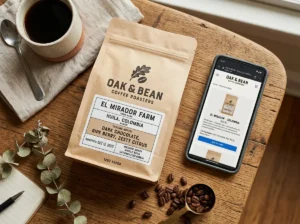
A quality single-origin coffee bag will tell you a lot. Look for the country and region of origin, the farm or cooperative name if available, the roast date (fresher is better — ideally within 2 to 4 weeks of purchase), and tasting notes like “bright citrus,” “dark chocolate,” or “stone fruit.” If the bag just says “100% Arabica” with no other origin information, that’s a blend — and there’s nothing wrong with that, but it’s not what you’re looking for here.
Look for These Certifications and Labels
While there’s no single governing label for single-origin coffee, a few markers signal quality and ethics:
- SCA Specialty Grade — means the beans scored 80+ on the quality scale
- Direct Trade — the roaster works directly with the farmer, often paying above-market prices
- Fair Trade Certified — ensures fair wages and safe working conditions for farmers
- USDA Organic — no synthetic pesticides used in growing
Where to Buy It
You don’t have to go to a specialty café to find great single-origin coffee. Here are some easy options:
- Local coffee roasters — the freshest option, and you’re supporting a small business
- Online subscription services — brands like Trade Coffee, Atlas Coffee Club, and others ship freshly roasted single-origins straight to your door
- Whole Foods and specialty grocery stores — typically carry several quality single-origin options
- Your favorite coffee shop — many now sell their featured beans as retail bags
For a deeper dive into choosing the right coffee to start your day, our guide to finding the best coffee for your morning walks through roast levels, flavor profiles, and how to match a bean to your taste.
A Simple Guide to Coffee Origins and Flavor Profiles
One of the most delightful parts of exploring single-origin coffee is discovering how dramatically different beans from different regions can taste. Here’s a quick cheat sheet to get you started:
Africa
Ethiopia — Often considered the birthplace of coffee. Expect bright, complex flavors: jasmine, blueberry, bergamot, and lemon. Light roasts are especially stunning. Guatemala (Central America) — Rich, full-bodied, with notes of dark chocolate, brown sugar, and a hint of smoke. Excellent for French press or espresso.
Central and South America
Colombia — The crowd-pleaser of single-origins. Smooth, balanced, with caramel sweetness and mild fruity brightness. Great for beginners and especially good in a latte. Costa Rica — Bright acidity, honey sweetness, and a clean, crisp finish. Perfect for pour-over.
Asia Pacific
Sumatra (Indonesia) — Earthy, full-bodied, low acidity with notes of cedar, dark cocoa, and herbs. Perfect for moms who love a deep, bold cup without bitterness.
Make Your Morning Cup Count
Motherhood is full of things we do on autopilot — and that’s okay, because survival mode is real. But coffee? Coffee is the one moment that’s just for you. It deserves a little more intention.
Single-origin coffee won’t solve the laundry pile or get the kids to school on time. But it will give you something to look forward to in those first quiet minutes of the day. A cup that tastes like somewhere specific. A cup that supports a farmer somewhere on the other side of the world. A cup that, frankly, just tastes better.
And if you’re building a morning routine that feels less chaotic and more like yours, these 10 simple morning routines are a great place to start — single-origin coffee in hand, of course.
Start with one bag. Pick a region that sounds interesting to you. Brew it slowly. And taste the difference.